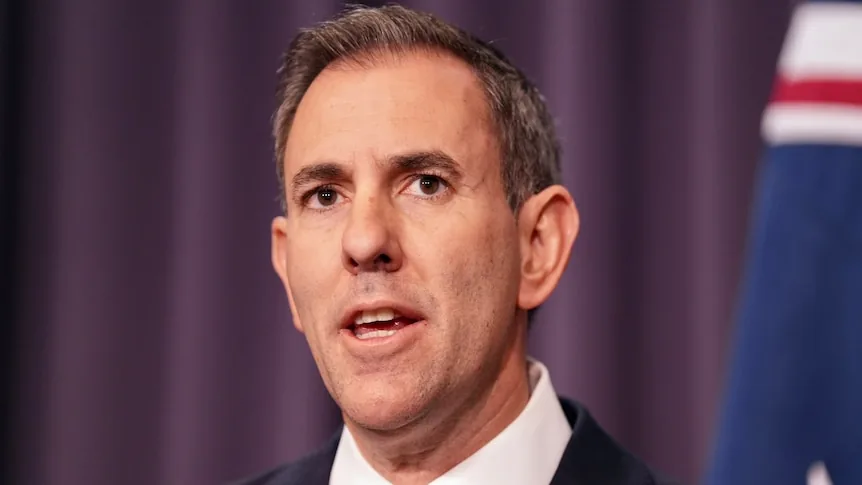
Federal politics live: Chalmers does not want to see workers 'carry the can' for Middle East war. Treasurer Jim Chalmers says he does not want to see Australian workers "carry the can" for the consequences of the Middle East war.
联邦政治直播:财政部长不愿见工人“背黑锅”中东战事后果。财政部长吉姆·查尔默斯表示,他不愿看到澳洲工人因中东战争的后果而“背黑锅”。
Economist Richard Holden has accused the treasurer of "gaslighting" Australians by linking high inflation and interest rate rises to the Middle East war. The Reserve Bank is expected to hike interest rates today, which could bring the cash rate to its highest level in 15 years. Holden has told ABC News Radio government spending is driving Australia's stubborn inflation. He says the Reserve Bank focuses on underlying inflation, and that events in the Middle East have "no effect" on what the RBA is considers when determining the cash rate. "So to blame this rate rise or potentially next month's rate rise on what's going on in the Middle East is just wrong. That is the treasurer gaslighting Australians," Holden says.
经济学家理查德·霍尔登指责财政部长“煤气灯操纵”澳洲民众,将高通胀和利率上升归咎于中东战争。预计储备银行今日将加息,现金利率或升至15年来最高水平。霍尔登告诉ABC新闻电台,政府支出正推动澳洲顽固的通胀。他表示,储备银行关注的是核心通胀,中东事件对央行决定现金利率“毫无影响”。霍尔登称:“因此,将此次加息或下月可能的加息归咎于中东局势纯属错误。这就是财政部长在‘煤气灯操纵’澳洲民众。”
Following Greens leader Larissa Waters' announcement that she would be stepping down from the party's leadership, its federal MPs have been noticeably silent on social media. The Greens leader revealed she has been managing an existing kidney disease, which has worsened in recent months. NSW senator Mehreen Faruqi has so far been the only Greens senator to comment on Waters' departure on social media. "It has been an honour to serve as your deputy leader," Faruqi said on a post n Instagram earlier. SA senator Barbara Pocock and Queensland senator Penny Allman-Payne have re-shared their leader's post without comment.
绿党领袖拉丽莎·沃特斯宣布辞去党魁职务后,其联邦议员在社交媒体上保持异常沉默。沃特斯透露,她一直在应对一种现有的肾脏疾病,且近几个月病情恶化。新南威尔士州参议员梅琳·法鲁基是目前唯一在社交媒体上就沃特斯离职发表评论的绿党参议员。法鲁基早些时候在Instagram帖子中表示:“担任您的副领袖是一种荣幸。”南澳大利亚州参议员芭芭拉·波科克和昆士兰州参议员佩妮·阿尔曼-佩恩仅转发了领导人的帖子,未加评论。
Tech companies would have to immediately report rogue AI incidents to both the affected organisation and Australia's cyber authorities under new standards being developed by the federal government. OpenAI's months-long delay and low-level email contact alerting the government to a website breach has hardened Labor's resolve to impose a dual notification requirement for such cases. But experts have warned mandatory reporting can only go so far, with calls for greater investment in cyber security to ensure Australia is able to detect and defend against artificial intelligence incursions. The government launched a consultation paper to inform national AI standards earlier this month, which included the suggestion companies could be required to disclose certain incidents to "relevant Australian authorities". The ABC understands the government now wants this to include notifying the Australian Signals Directorate (ASD) in addition to the relevant organisation subjected to the breach.
根据联邦政府正在制定的新标准,科技公司必须立即向受影响组织和澳大利亚网络当局报告失控的AI事件。OpenAI在数月后才通过低级邮件联系政府,告知其网站遭到入侵,这一拖延行为坚定了工党实施双重通知要求的决心。但专家警告,强制报告的作用有限,呼吁加大对网络安全的投资,以确保澳大利亚能够检测和防御人工智能的入侵。政府本月早些时候发布了一份咨询文件,以制定国家AI标准,其中建议公司可能被要求向“相关澳大利亚当局”披露某些事件。据ABC了解,政府现在希望此举包括通知澳大利亚信号局(ASD),而不仅仅是通知受入侵的相关组织。
gaslighting? sounds like the government is just admitting their own spending is the real inflation driver. classic deflection.
“煤气灯效应”?听起来政府是在承认是他们自己的支出导致了通胀。典型的转移视线。