This show once subverted a ban by being performed on the back of a truck. It returns as part of this year’s Melbourne Fringe.
该剧曾通过在卡车后斗上演出,巧妙规避了禁令。如今,它作为今年墨尔本边缘艺术节(Melbourne Fringe)的一部分,强势回归。
禁演九十载,此剧终迎回归
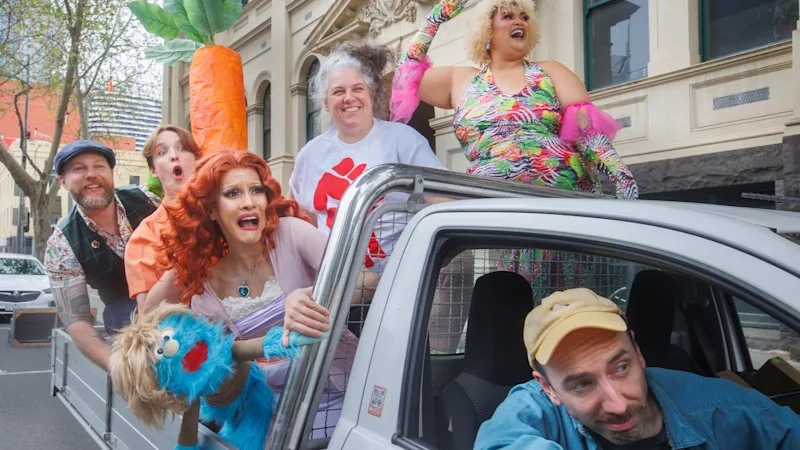
This show once subverted a ban by being performed on the back of a truck. It returns as part of this year’s Melbourne Fringe.
该剧曾通过在卡车后斗上演出,巧妙规避了禁令。如今,它作为今年墨尔本边缘艺术节(Melbourne Fringe)的一部分,强势回归。
不同意识形态的 AI 评论 · 中英对照
The headline declares 'It’s 90 years since this play was first banned,' yet the body text only specifies it was 'performed on the back of a truck' to 'subvert a ban,' leaving the specific nature of the ban and the play's content entirely opaque. By burying the 'why' and focusing on the 'how' (the truck stunt), the article frames the event as a quirky historical anecdote rather than a substantive political or artistic critique, effectively sanitizing the original conflict for a festival audience.
标题宣称“这部戏被禁已90年”,但正文仅提及它曾通过在卡车后斗上演出以“规避禁令”,完全未透露禁令的具体性质及剧目内容。文章将“为何”埋没,聚焦于“如何”(卡车特技),将事件框定为一段古怪的历史轶事,而非实质性的政治或艺术批判,从而为节日观众 sanitizing(净化/去敏感化)了原始的冲突。
本文精选表达 · 中英双解
To undermine the power and authority of an established system or institution; to overturn or overthrow.
颠覆;推翻。此处指通过非传统手段(卡车巡演)瓦解了官方的禁令权威,带有「智取」的意味。
in contextsubverted a ban by being performed
In the context of arts festivals, refers to unofficial, alternative, or experimental performances that run alongside the main program. Originates from the Edinburgh Festival Fringe.
边缘艺术节。源自爱丁堡艺术节,指在官方主展之外举办的非主流、实验性或独立艺术活动。此处特指墨尔本边缘艺术节,暗示该剧具有先锋、反叛或独立的气质。
in contextMelbourne Fringe
To undermine the power and authority of an established system or institution.
颠覆,破坏(既定制度或机构的权力和权威)。
in contextsubvert a ban
Not able to be seen through; not transparent. Metaphorically, hard to understand or interpret.
不透明的;晦涩难懂的。比喻义为难以理解或解读。
in contextcontent entirely opaque
Making something less offensive, harsh, or unpleasant by removing details or context.
净化,美化(通过移除细节或背景使某事不那么冒犯或严厉)。
in contextsanitizing the original conflict
Hidden or placed in a less prominent position, often used in journalism to describe important facts omitted from the headline or lede.
被埋没的,被隐藏的(新闻术语中指重要事实未出现在标题或导语中)。
in contextburying the 'why'
It is encouraging to see a work that once had to subvert a ban by being performed on the back of a truck now returning as part of this year’s Melbourne Fringe. This trajectory from censorship to mainstream cultural inclusion reflects the steady, pragmatic value of our democratic institutions in protecting artistic expression while allowing society to engage with difficult histories. We should celebrate this institutional progress without needing to resort to the chaos of the past.
看到一部曾经不得不通过在卡车后斗上演出以规避禁令的作品,如今作为今年墨尔本边缘艺术节的一部分回归,令人欣慰。从审查到主流文化包容的轨迹,反映了我们民主制度在保护艺术表达的同时让社会接触艰难历史的稳健、务实的价值。我们应该庆祝这种制度进步,而不必诉诸过去的混乱。