Victoria Police admits care of dying man 'fell short' of standards
维多利亚警方承认,对这名垂死男子的看护未能达到既定标准。
Mistakes made by Victoria Police officers and Triple Zero Victoria staff have been outlined at a Melbourne-based coronial inquest into the death of a 58-year-old man in 2023.
在墨尔本举行的针对一名58岁男子2023年死亡事件的验尸官法庭调查中,警方官员及Triple Zero Victoria(维多利亚州紧急呼叫服务中心)员工所犯的错误被逐一披露。
Victoria Police has admitted to failures and apologised after John Makai died from a brain injury, having spent hours unconscious in a holding cell at Broadmeadows Police Station.
在John Makai于Broadmeadows警署拘留室内昏迷数小时后因脑损伤死亡后,维多利亚警方承认失职并致歉。
The inquest will examine whether delays in treatment contributed to his death, how police responded and why an ambulance was not called sooner.
此次调查将审视治疗延误是否导致其死亡、警方的应对情况,以及为何未能更早呼叫救护车。
Barrister Andrew Imrie, representing the chief commissioner of police, said the care in custody offered to Mr Makai "fell short" of standards required under Victoria Police policy.
代表警察总监的律师Andrew Imrie表示,警方在羁押期间对Makai先生提供的护理“未达到”维多利亚警方政策所要求的标准。
On behalf of Victoria Police, my client offers his sincere condolences to John's family, friends and loved ones," he told the Coroners Court of Victoria.
他向维多利亚州验尸官法庭表示:"代表维多利亚警方,我的当事人向John的家人、朋友和挚爱致以诚挚的哀悼。"
Mr Makai, who had 10 children and a stepchild, was fondly described by one of his sons as "kind and loving".
Makai先生育有10名子女及一名继子女,其一名儿子深情地形容他"善良且充满爱心"。
However, it was an out-of-character act of violence that brought him to police attention on September 9, 2023.
然而,2023年9月9日,一起与其性格不符的暴力行为引起了警方的注意。
Mr Makai struck another adult son, Terewa, over the head with a mug after becoming angry about a drink being spilled inside an Uber earlier in the night.
当晚早些时候,因不满有人在Uber车内打翻饮料,Makai先生愤怒地用马克杯击打了另一名成年儿子Terewa的头部。
Terewa retaliated and punched Mr Makai in the head, the court heard.
法庭获悉,Terewa随即反击,拳击了Makai先生的头部。
Footage from police body-worn cameras, played to the court, showed officers arriving at the Sunbury home where the fight took place.
在法庭上播放的警方执法记录仪画面显示,警员抵达了发生斗殴的Sunbury住宅。
Mr Makai and Terewa were bleeding and being questioned by the officers when Mr Makai lost his balance and fell backwards, crashing into a wooden bookshelf.
当时Makai先生和Terewa均流血不止,正接受警员盘问,此时Makai先生失去平衡向后倒去,撞上了一个木制书架。
Officers were told an ambulance was not available and took a groggy Mr Makai to the Broadmeadows Police Station for observation.
警员被告知暂无救护车可用,遂将神志不清的Makai先生带至Broadmeadows警署进行观察。
During the ride, Mr Makai lost consciousness and slumped forward, falling off his seat.
在途中,Makai先生失去意识,身体前倾滑落,从座位上摔下。
On arrival, security cameras captured officers carrying a limp Mr Makai to a holding cell, where he was left on a bed.
抵达警署后,监控摄像头拍到警员将瘫软的Makai先生抬进拘留室,并将其留在床上。
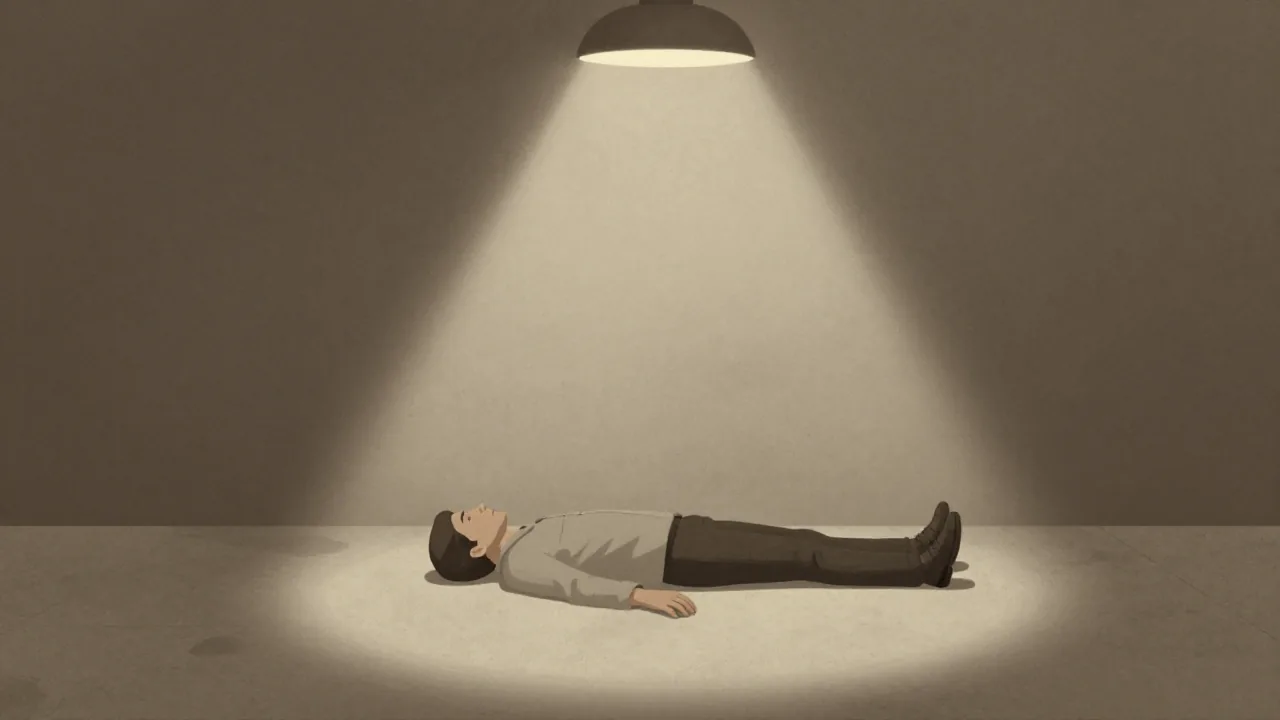
For more than four hours, he was motionless, and nobody entered the cell to check on him, counsel assisting the inquiry Rachel Ellyard told the court.
协助调查的律师Rachel Ellyard向法庭表示,超过四个小时内,他一动不动,且无人进入拘留室查看他的情况。
Ms Ellyard said officers believed Mr Makai was drunk when, in fact, it was likely he was suffering the effects of a traumatic brain injury.
Ellyard女士指出,警员当时认为Makai先生是喝醉了,但实际上他很可能正遭受创伤性脑损伤的影响。
Two staff reported that they had checked on Mr Makai through a cell trap door and observed him moving. However, footage played to the court suggested otherwise.
两名工作人员报告称,他们通过拘留室的观察窗查看过Makai先生,并观察到他在动。然而,法庭播放的画面显示情况并非如此。
A sergeant made repeated requests to Triple Zero Victoria for an ambulance to be sent to the station, but was told paramedics were too busy.
一名警督多次向Triple Zero Victoria请求派遣救护车至警署,但被告知医护人员太忙。
Later, a Triple Zero Victoria staffer made an "inadvertent error" and cancelled the ambulance to the police station, thinking it was no longer needed.
随后,一名Triple Zero Victoria员工犯了"无意之失",取消了派往警署的救护车,以为已不再需要。
Eventually the sergeant rang Triple Zero and made an emergency request for help.
最终,该警督再次致电Triple Zero,发出了紧急求助请求。
"This guy's breathing but we can't raise any verbals from him … we were expecting the ambulance here five hours ago,"he said.
"这人还在呼吸,但我们无法从他那里得到任何言语回应……我们五小时前就 expecting 救护车到了。"他说。
"I've never known anyone not to stir like this."
"我从未见过有人像这样毫无动静。"
An ambulance arrived within minutes and took Mr Makai to hospital. A CT scan revealed evidence of oxygen deprivation to the brain, and Mr Makai was diagnosed with a "non-survivable" injury, the court heard.
救护车在数分钟内赶到并将Makai先生送往医院。法庭获悉,CT扫描显示其大脑缺氧,Makai先生被诊断为"无法存活"的伤情。
His life support was switched off days later.
数日后,他的生命维持系统被关闭。
Ms Ellyard said there had been a "significant departure" from Victoria Police policy by officers who failed to actively check on Mr Makai.
Ellyard女士表示,未能主动查看Makai先生情况的警员,其行为与维多利亚警方政策存在"重大偏离"。
Mr Imrie, the police barrister, said disciplinary action had been taken against some employees.
警方律师Imrie先生表示,已对部分员工采取了纪律处分措施。
The article frames this as a 'significant departure' from policy, but let’s be honest: this is what happens when you outsource critical safety to underpaid, overworked staff who are treated as disposable cogs. The 'inadvertent error' by Triple Zero wasn't a glitch; it was the inevitable result of a system that prioritizes cost-cutting over human life. We don't need another inquiry; we need to stop letting the managerial class gamble with ordinary citizens' lives to save a few bucks on staffing.
文章把这事儿包装成对政策的“重大偏离”,但咱们说实话:这就是把你当一次性齿轮的底层员工,在人手不足、工资微薄、被当成耗材的情况下,把关键安全外包出去后的必然结果。Triple Zero 那个“无意错误”不是系统故障,而是管理层为了省点 staffing 钱,把普通老百姓的命当赌注的必然产物。我们不需要再来一次毫无意义的调查,我们需要停止让那些高高在上的管理阶层拿普通人的命去给他们的成本削减计划买单。