Failure is written into the DNA of the COP climate talks The collapse of COP31 was entirely predictable. A climate policymaking process that gives fossil fuel exporters an effective veto over global action is structurally incapable of delivering meaningful change.
失败是COP气候谈判的基因。 COP31的崩盘完全在预料之中。一个赋予化石燃料出口国对全球行动拥有事实否决权的气候决策过程,在结构上注定无法带来有意义的变革。
When the 31st annual global climate policymaking Conference of the Parties held in Türkiye this year (COP31) collapsed without a final conference statement because some petrostates vetoed any mention of fossil fuels, many climate advocates and observers were distraught, but failure was to be expected.
今年在土耳其举行的第31届年度全球气候政策制定缔约方大会(COP31)因部分产油国否决任何提及化石燃料的措辞,导致大会未发表最终声明而流产。许多气候倡导者和观察家感到沮丧,但失败本就在意料之中。
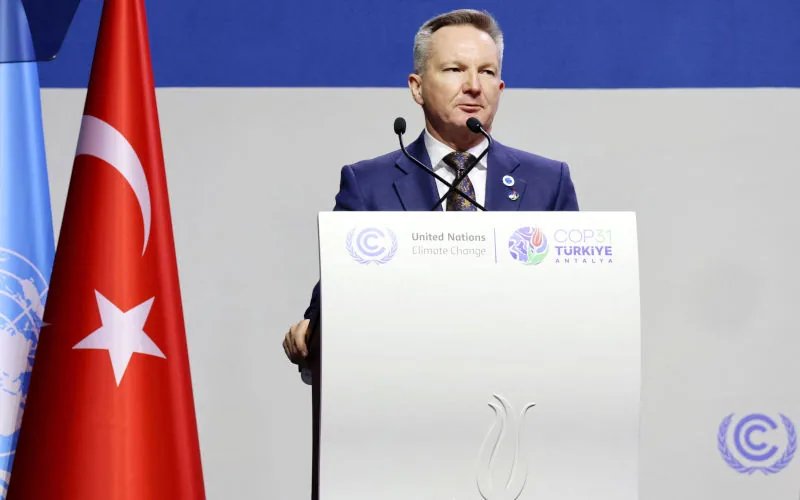
The conference was run by Türkiye as COP31 president, but Australian Climate Minister Chris Bowen was designated negotiations chair in a deal after Australia lost out to Türkiye for hosting rights, so he was in the spotlight over the breakdown.
大会由作为COP31主席的土耳其主持,但澳大利亚在申办权上输给土耳其后,通过一项协议指定澳大利亚气候部长克里斯·鲍恩为谈判主席,因此他在大会破裂一事中处于聚光灯下。
The failure to produce a final statement occurred because a number of petrostates, including Saudi Arabia and Russia, refuse to allow any mention of fossil fuels, which seems over three decades to be their main goal at the COPs; but this time for a change a number of climate-vulnerable states plus the European Union refused to back down for the sake of ‘consensus’, and said no statement was better than a bad one.
未能产生最终声明,是因为沙特阿拉伯和俄罗斯等数个产油国拒绝允许任何提及化石燃料,这似乎成了它们在COP大会上的主要目标,且已持续三十余年;但这次有所不同,一些气候脆弱国家加上欧盟拒绝为了所谓的“共识”而退让,并表示“没有声明”总比“糟糕的声明”要好。
It’s another sign that the whole COP process has passed its use-by date – particularly the rules of the UN Framework Convention on Climate Change under which it is held, which give each and every member state an effective veto over every statement, every word of COP decisions. It is one of the reasons why the COP has remained a toothless tiger, reduced in recent years to requesting members to make voluntary, unenforceable commitments on future emissions, known as nationally determined contributions (NDCs).
这是COP整个进程已“过期”的又一个信号——特别是其赖以运行的《联合国气候变化框架公约》规则,赋予每个成员国对COP决议的每一句话、每一个字的事实否决权。这也是COP为何一直是一只“没有牙齿的老虎”的原因之一,近年来它仅能要求成员国做出自愿且不可执行的减排承诺,即“国家自主贡献”(NDCs)。
Failure is written into the COP structure, so climate advocates should not have been surprised that it manifested in the form it did this year, with no final resolution.
失败已写入COP的结构之中,因此气候倡导者不应对其今年以无最终决议的形式显现而感到惊讶。
After COP30 in Brazil in 2025, Colombia and the Netherlands led the formation of a new coalition of ‘high ambition’ states aimed at phasing out fossil fuels. After a three-day meeting in Santa Marta, Colombia, early this year, the coalition said it is time for world leaders to “chart a journey away from fossil fuel production” and called for a “legal international instrument on fair fossil fuel phase out”.
在2025年巴西COP30之后,哥伦比亚和荷兰牵头组建了一个旨在逐步淘汰化石燃料的“高雄心”国家新联盟。今年年初在哥伦比亚圣玛尔塔举行的为期三天的会议后,该联盟表示,世界领导人是时候“规划一条远离化石燃料生产的道路”,并呼吁制定“关于公平逐步淘汰化石燃料的法律国际文书”。
But COP31 negotiations chair Chris Bowen had a very different idea. In a front-page story on 1 July this year, The Australian reported Bowen as saying the fossil fuel exports were “not on the agenda” in Türkiye: Mr Bowen said there was growing momentum towards consensus for increasing global electrification at November’s UN Climate Change Conference in Turkey, standing by his contentious claim that the Iran war had increased global appetite for shifting away from fossil fuels. But Mr Bowen will not be using his role to facilitate an agreement for curtailing coal or gas exports, declaring it was “not on the agenda” for COP under his leadership.
但COP31谈判主席克里斯·鲍恩的想法截然不同。今年7月1日,《澳大利亚人报》头版报道称,鲍恩表示在土耳其的化石燃料出口“不在议程上”: 鲍恩先生表示,在11月土耳其举行的联合国气候变化大会上,就增加全球电气化达成共识的势头正在增强,他坚持自己颇具争议的说法,即伊朗战争增加了全球摆脱对化石燃料依赖的欲望。但鲍恩先生不会利用其角色来促成限制煤炭或天然气出口协议的达成,并宣布在其领导下,这“不在”COP的议程上。
This is not surprising. Australia is the world’s third-largest fossil fuel exporter and since the Albanese government came to power in 2022, it has approved at least 39 new, expanded, or extended coal, oil, and gas projects. In response, and in an act of great hubris, the government has claimed to be a best friend to vulnerable Pacific Island states, whilst doing everything it can domestically not to talk about climate change and climate impacts.
这并不令人惊讶。澳大利亚是世界第三大化石燃料出口国,自阿尔巴尼斯政府2022年上台以来,已批准至少39个新的、扩建的或延期的煤炭、石油和天然气项目。作为回应,并且出于极大的傲慢,政府声称自己是脆弱太平洋岛国的“最佳朋友”,同时在国内尽其所能避免谈论气候变化及其影响。
if we're done with this broken consensus model, who exactly gets to decide the new rules? because right now, it's just the same old fossil fuel lobbyists pulling the strings behind closed doors.
既然我们对这种破掉的共识模式已经受够了,那到底谁来定新规矩?因为现在幕后拉线的还是那帮老掉牙的化石燃料说客。