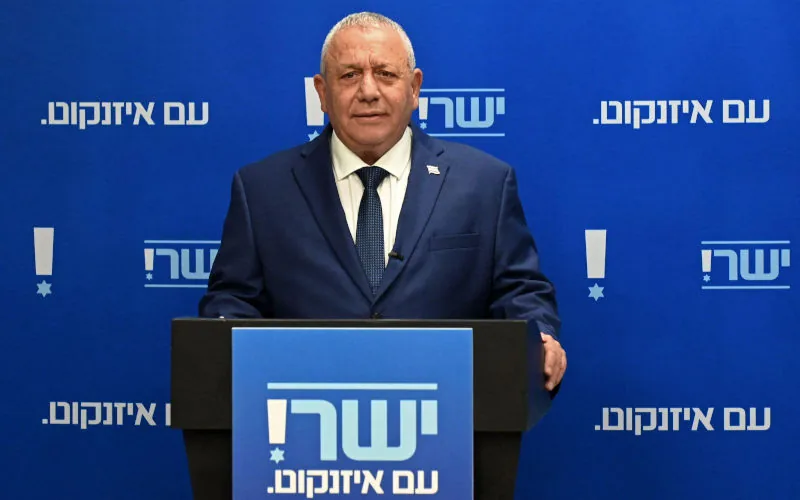
Gadi Eisenkot’s negotiations with Likud risk restoring Benjamin Netanyahu’s political relevance while marginalising the Palestinian parties whose support helped Eisenkot secure his mandate to form a government.
加迪·艾森科特与利库德集团的谈判,在让曾助其获得组阁授权、却因此被边缘化的巴勒斯坦政党失势的同时,也冒着让本雅明·内塔尼亚胡重获政治影响力的风险。
Yashar party leader Gadi Eisenkot has an unusual problem. He holds the presidential mandate to form Israel’s next government after 67 members of the Knesset recommended him to President Isaac Herzog, yet those 67 votes do not constitute a ready-made coalition.
雅沙尔党领袖加迪·艾森科特面临一个棘手难题。在67名议员向总统伊萨克·赫尔佐格推荐他后,他手握组建以色列下一届政府的总统授权,但这67票并未构成一个现成的联盟。
They come from parties that disagree not only on policy but also on the most basic question of who they are prepared to engage with politically. This is why Eisenkot is now negotiating with the very party he spent the entire election campaign vowing to remove from power.
这些议员来自彼此不仅在政策上存在分歧,甚至在政治交往对象这一根本问题上也无法达成共识的政党。这就是为什么艾森科特如今正与那个他在整个竞选期间发誓要将其赶下台的政党进行谈判。
His Yashar party and incumbent Prime Minister Benjamin Netanyahu’s Likud have held repeated talks over a possible unity government. Simultaneously, Eisenkot is negotiating with the ultra-Orthodox parties, which were part of Netanyahu’s governing coalition, and is keeping open the possibility of a minority government supported by the Palestinian parties.
他的雅沙尔党与现任总理本雅明·内塔尼亚胡的利库德集团就组建联合政府的可能性进行了多次会谈。与此同时,艾森科特正与曾属于内塔尼亚胡执政联盟的超正统派政党谈判,并保留了由巴勒斯坦政党支持组建少数派政府的可能性。
The latest round of talks with Likud ended without agreement. The two sides are still divided over who would serve as prime minister and over who would be included in the government.
与利库德集团的最新一轮谈判无果而终。双方在谁担任总理以及谁将入阁的问题上仍僵持不下。
At first glance, engaging with Netanyahu does not make sense. Eisenkot is the leader of a camp whose main unifying purpose was to end Netanyahu’s rule. His ally, Avigdor Lieberman, refuses to serve in any government that includes Netanyahu. Other members of Eisenkot’s bloc remain deeply suspicious of returning Likud to government under its current leadership.
乍看之下,与内塔尼亚胡接触毫无道理。艾森科特领导着一个以终结内塔尼亚胡统治为主要凝聚目标的阵营。他的盟友阿维格多·利伯曼拒绝在任何包含内塔尼亚胡的政府中任职。艾森科特阵营的其他成员也对在现任领导下让利库德集团重返执政地位深感怀疑。
Yet the talks still serve Eisenkot politically, even if they lead nowhere. That is because he cannot allow Likud to monopolise the language of national unity. Since the election, Netanyahu has repeatedly presented a broad Jewish-Zionist unity government as the responsible answer to Israel’s political deadlock.
然而,即便谈判无果,它们在政治上仍对艾森科特有利。因为他不能让利库德集团垄断“国家团结”的话语权。自选举以来,内塔尼亚胡反复将广泛的犹太-锡安主义联合政府描绘为解决以色列政治僵局的责任之举。
If Eisenkot had refused to enter negotiations, Netanyahu would have had an easy political argument: Likud offered unity, but the other side refused because of petty personal hostility towards its leader.
如果艾森科特拒绝谈判,内塔尼亚胡将占据有利的政治立场:利库德集团提供了团结,但另一方因对其领导人的琐碎个人敌意而拒绝。
Negotiating changes the equation. Eisenkot can say that he did not reject unity; he tested it. He sent negotiators, held discussions and gave the option a genuine chance.
谈判改变了局势。艾森科特可以说他并未拒绝团结;他只是进行了测试。他派出谈判代表,举行讨论,并给予该选项真正的机会。
Demonstrating that he has done what he could matters even if the talks collapse. If they fail over Netanyahu’s insistence on serving first as prime minister in a rotation, Eisenkot can try to shift responsibility for the failure back onto him: the problem, he can argue, was not his refusal to sit with Likud, but Netanyahu’s refusal to relinquish the premiership after losing the election.
即便谈判破裂,证明他已尽力也至关重要。如果因内塔尼亚胡坚持在轮替政府中首先担任总理而导致失败,艾森科特可尝试将失败的责任推回给他:他可以辩称,问题不在于他拒绝与利库德集团同席,而在于内塔尼亚胡在选举失利后拒绝交出总理职位。
The talks also give Eisenkot leverage elsewhere. He currently has three possible routes to a government: some version of a unity government with Likud, an agreement with the Haredi parties, or a minority government dependent on support from Palestinian parties. He has publicly acknowledged all three. None is easy.
谈判还赋予了艾森科特在其他方面的筹码。他目前有三条通往组阁的路径:某种形式的与利库德集团的联合政府、与哈雷迪(Haredi)政党的协议,或依赖巴勒斯坦政党支持的少数派政府。他已公开承认这三条路径,但每一条都充满挑战。
A Likud agreement requires resolving the much larger question of Netanyahu himself. The Haredi route requires compromises over military service, one of the central issues on which Eisenkot’s camp campaigned. The Palestinian-backed route faces opposition from Lieberman and others inside his own bloc.
与利库德达成协议需解决内塔尼亚胡本人这一更大的问题。走哈雷迪路线需在兵役问题上做出妥协,而这正是艾森科特阵营竞选的核心议题之一。获得巴勒斯坦政党支持的路线则面临来自利伯曼及其阵营内部其他人的反对。
Keeping all three options alive therefore has value. It tells every negotiating partner that Eisenkot may have somewhere else to go, and it strengthens his claim that he is exhausting every possible route before choosing a narrower and politically more controversial coalition.
因此,保持所有三条选项的开放性具有战略价值。它向每一位谈判伙伴表明艾森科特另有出路,并强化了他的主张:在选择一个范围更窄、政治争议更大的联盟之前,他已穷尽了所有可能的路径。
well, that’s one way to spin the ‘i hate you’ tape into a handshake. classic political gymnastics.
嘿,这可是把‘我恨你’的录音带硬生生扭成了握手言和。典型的政治体操表演。